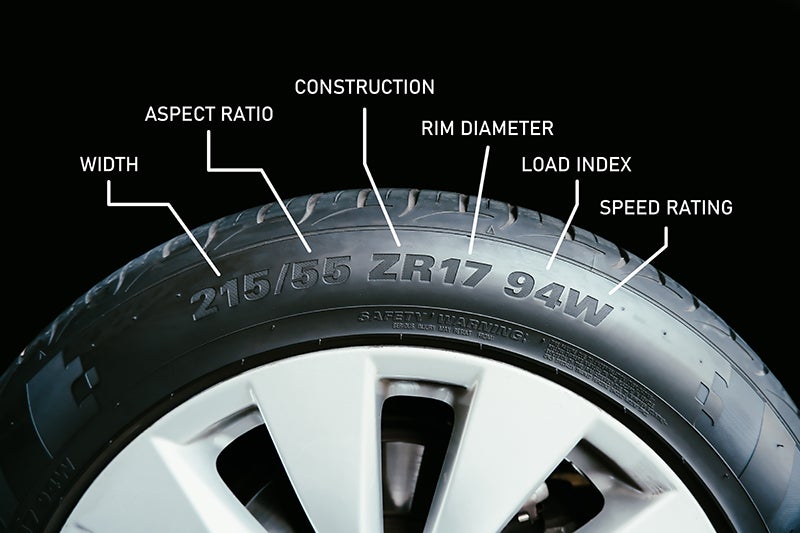







Winter Maintenance: Cold Weather Changes the Operating Conditions A Chevrolet doesn't suddenly become a different machine because the temperature drops, but the conditions in which its components operate certainly change. Southaven, MS, doesn't experience the prolonged winter extremes found farther north, but a sharp temperature drop is capable of exposing a marginal battery or neglected maintenance item. Preparing for winter is therefore less about the season itself and more about making sure each system has adequate operating margin. A Battery Has Less in Reserve When It's Cold Starting an engine requires a considerable burst of electrical energy, and lower temperatures make that task more demanding for the battery. A unit that performed adequately through summer may begin cranking the engine more slowly once conditions change. Battery testing before winter can provide an indication of its condition before starting performance deteriorates further. A Chevrolet Certified Service technician can also inspect related starting and charging components if symptoms suggest the problem extends beyond the battery. Adding battery service to a seasonal Multi-Point Vehicle Inspection is a logical first step because without reliable electrical power, most of the other systems become rather academic. Coolant Is Managing Two Opposing Problems Engine coolant has an interesting job. It must prevent freezing when the vehicle is sitting in sufficiently low temperatures, then control the considerable heat produced once the engine is running. Correct coolant level and condition are therefore important throughout the year. A cooling-system inspection can check the coolant and related components before winter, while coolant service should follow the requirements specified for the Chevrolet. The system works by circulating fluid through an engine containing many precisely controlled temperatures, so ignoring leaks or poor coolant condition isn't a particularly sensible mechanical experiment. Tire Pressure Changes Even When Nothing Is Wrong A drop in ambient temperature can reduce tire pressure without a puncture or other fault being present. That doesn't make the resulting pressure loss irrelevant. Inflation affects how the tire carries its load and contacts the road, while tread condition and uneven wear can reveal additional concerns. Checking pressure and inspecting the tires before winter provides a useful baseline for colder months. Tire service, tire rotations, and alignment inspections can also be combined with routine Chevrolet maintenance when required. Four small contact patches are responsible for transmitting every steering, braking, and acceleration input to the road; their condition deserves appropriate attention. Visibility Equipment Is Simple Until It Stops Working Properly Wiper blades, washer fluid, heaters, and defrosters contain none of the mechanical fascination of an engine, but poor visibility can make an otherwise healthy vehicle difficult to use safely. Inspect wiper blades for deterioration and confirm the washer system operates correctly. The heating and defrosting systems should also clear the glass effectively before colder mornings arrive. If they don't, service diagnostics can identify the cause rather than leaving the problem until the first morning when you need the system immediately. Preventive Maintenance Preserves the Engineering Margin Seasonal maintenance is fundamentally about finding components approaching their limits before harsher operating conditions expose them. A marginal battery becomes a no-start. A small cooling-system concern can become a larger repair. Worn tires or ineffective wipers become more significant when weather deteriorates. Reviewing the Chevrolet maintenance schedule, handling an oil change that's already due, and completing a Multi-Point Vehicle Inspection can address several of these concerns during one service visit rather than waiting for separate symptoms to develop. Prepare the Systems, Not Just the Vehicle Jimmy Gray Chevrolet can help Southaven, MS, drivers prepare for colder conditions with battery testing, cooling-system inspections, tire service, oil changes, Multi-Point Vehicle Inspections, and other Chevrolet maintenance. Owners can also review current service specials and address scheduled maintenance during the same visit. Winter preparation isn't complicated engineering; it's simply giving the engineering already in your Chevrolet the conditions it needs to work properly. Schedule your winter maintenance appointment online with us here today to get in front of the weather that’s coming.
Check Engine Light On? Here's What to Do
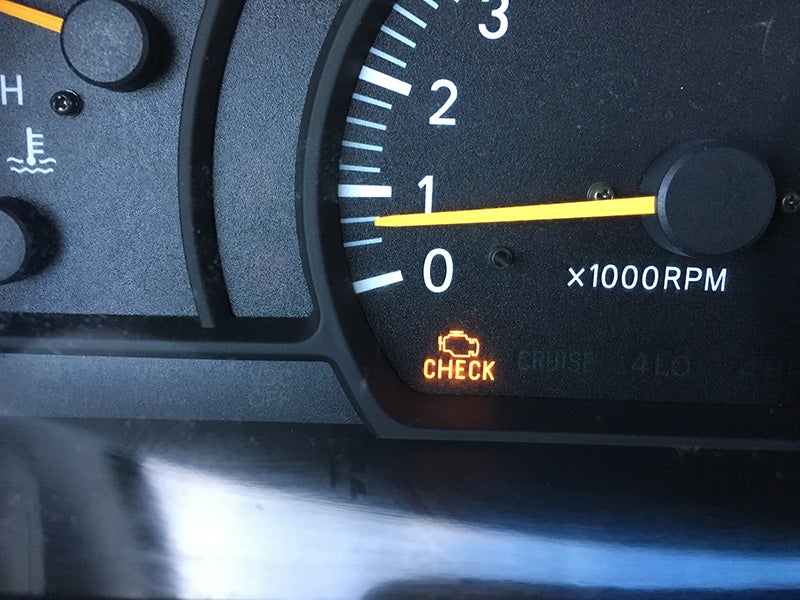
Check Engine Light On? Here's What to Do Next The check engine light is impressively good at delivering almost no information while simultaneously making you worry about everything. One amber engine-shaped icon could point to something as simple as a loose gas cap or a problem requiring immediate attention. The trick isn't trying to diagnose your Chevrolet from the driver's seat; it's knowing when you can continue driving, when to schedule check engine diagnostics, and when shutting the vehicle down is the smarter response. For drivers around Southaven, MS, here's what to look for when that little engine suddenly appears. Solid and Flashing Lights Mean Very Different Things The check engine light typically appears as an amber or yellow engine-shaped icon in the instrument cluster, sometimes accompanied by "Check Engine" or "Service Engine Soon." More important is what the light is doing. A steadily illuminated light indicates that the vehicle's onboard diagnostic system has detected a fault, but it doesn't identify the failed component by itself. A flashing light is considerably more urgent and can indicate a severe engine misfire capable of damaging the catalytic converter. If it's flashing, reduce speed and engine load, avoid hard acceleration, and arrange Chevrolet service promptly instead of continuing the trip as if the dashboard hasn't just started blinking at you. A Solid Light Doesn't Automatically Mean Disaster If the light stays solid and your vehicle otherwise runs normally, check that the fuel cap is properly tightened if your Chevrolet uses one. A loose cap can cause an evaporative-emissions fault, although plenty of other problems involving sensors, ignition components, emissions equipment, or engine-management systems can illuminate the same warning. The light may take several drive cycles to clear after a minor problem is corrected. If it remains illuminated, schedule a Chevrolet diagnostic service so a technician can retrieve the stored diagnostic trouble codes and investigate the affected system. A code provides a starting point for diagnosis; it doesn't automatically mean the component named in the code needs replacement. The Car's Behavior Matters as Much as the Light A steady check engine light accompanied by normal engine temperature and no noticeable change in performance generally doesn't require an immediate tow, but other symptoms change the equation quickly. If the vehicle starts stalling, shaking, losing substantial power, overheating, producing smoke, or giving off a burning odor, find a safe place to stop. The same applies if an oil-pressure warning appears alongside the check engine light. Continuing to drive a vehicle with signs of overheating or lubrication trouble can transform an existing problem into a much larger engine repair, so this is one occasion when trying to squeeze out another 10 miles may become spectacularly expensive. So, When Do You Call the Tow Truck? If the check engine light is solid, the Chevrolet feels normal, and there are no additional warning signs, you can generally drive carefully to a Chevrolet service center for inspection. Towing is the safer choice when the light is flashing and the engine is running poorly, the temperature gauge moves into the red, oil-pressure warnings appear, the vehicle repeatedly stalls or loses power, or you see smoke or smell something burning. If you're uncertain about the vehicle's condition, contact the service department or roadside assistance before driving farther. Paying for a tow isn't particularly exciting, but neither is paying for an engine because you decided the temperature gauge was probably being dramatic. Diagnostic Codes Are the Beginning, Not the Answer Modern vehicles store diagnostic trouble codes when the onboard computer detects certain faults, and professional vehicle diagnostics can retrieve those codes to help technicians determine where to begin testing. That's different from simply connecting a scanner and replacing whatever part appears on the screen. A qualified technician may need to inspect wiring, sensors, ignition components, emissions systems, or other related equipment before determining the cause. Keeping up with routine Chevrolet maintenance can also help technicians spot developing problems, while current service specials may provide opportunities to handle maintenance or eligible repairs at the same visit. Get the Warning Light Checked in Southaven The check engine light isn't there to tell you exactly what's broken. It's there to tell you the vehicle has detected something worth investigating. Southaven, MS, drivers can visit the Certified Service team at Jimmy Gray Chevrolet for check engine light diagnostics, scheduled maintenance, and Chevrolet repair needs. If the light has appeared and stayed on, schedule a service appointment online so a technician can retrieve the stored codes, inspect the vehicle, and determine what caused the warning before a smaller problem has the opportunity to become a larger one.