





Blog / Service

Winter Maintenance Tips for Your Chevy

Winter Maintenance: Cold Weather Changes the Operating Conditions

Winter Maintenance: Cold Weather Changes the Operating Conditions 

A Chevrolet doesn't suddenly become a different machine because the temperature drops, but the conditions in which its components operate certainly change. Southaven, MS, doesn't experience the prolonged winter extremes found farther north, but a sharp temperature drop is capable of exposing a marginal battery or neglected maintenance item. Preparing for winter is therefore less about the season itself and more about making sure each system has adequate operating margin. 

A Battery Has Less in Reserve When It's Cold 

Starting an engine requires a considerable burst of electrical energy, and lower temperatures make that task more demanding for the battery. A unit that performed adequately through summer may begin cranking the engine more slowly once conditions change. Battery testing before winter can provide an indication of its condition before starting performance deteriorates further. A Chevrolet Certified Service technician can also inspect related starting and charging components if symptoms suggest the problem extends beyond the battery. Adding battery service to a seasonal Multi-Point Vehicle Inspection is a logical first step because without reliable electrical power, most of the other systems become rather academic. 

Coolant Is Managing Two Opposing Problems 

Engine coolant has an interesting job. It must prevent freezing when the vehicle is sitting in sufficiently low temperatures, then control the considerable heat produced once the engine is running. Correct coolant level and condition are therefore important throughout the year. A cooling-system inspection can check the coolant and related components before winter, while coolant service should follow the requirements specified for the Chevrolet. The system works by circulating fluid through an engine containing many precisely controlled temperatures, so ignoring leaks or poor coolant condition isn't a particularly sensible mechanical experiment. 

Tire Pressure Changes Even When Nothing Is Wrong 

A drop in ambient temperature can reduce tire pressure without a puncture or other fault being present. That doesn't make the resulting pressure loss irrelevant. Inflation affects how the tire carries its load and contacts the road, while tread condition and uneven wear can reveal additional concerns. Checking pressure and inspecting the tires before winter provides a useful baseline for colder months. Tire service, tire rotations, and alignment inspections can also be combined with routine Chevrolet maintenance when required. Four small contact patches are responsible for transmitting every steering, braking, and acceleration input to the road; their condition deserves appropriate attention. 

Visibility Equipment Is Simple Until It Stops Working Properly 

Wiper blades, washer fluid, heaters, and defrosters contain none of the mechanical fascination of an engine, but poor visibility can make an otherwise healthy vehicle difficult to use safely. Inspect wiper blades for deterioration and confirm the washer system operates correctly. The heating and defrosting systems should also clear the glass effectively before colder mornings arrive. If they don't, service diagnostics can identify the cause rather than leaving the problem until the first morning when you need the system immediately. 

Preventive Maintenance Preserves the Engineering Margin 

Seasonal maintenance is fundamentally about finding components approaching their limits before harsher operating conditions expose them. A marginal battery becomes a no-start. A small cooling-system concern can become a larger repair. Worn tires or ineffective wipers become more significant when weather deteriorates. Reviewing the Chevrolet maintenance schedule, handling an oil change that's already due, and completing a Multi-Point Vehicle Inspection can address several of these concerns during one service visit rather than waiting for separate symptoms to develop. 

Prepare the Systems, Not Just the Vehicle 

Jimmy Gray Chevrolet can help Southaven, MS, drivers prepare for colder conditions with battery testing, cooling-system inspections, tire service, oil changes, Multi-Point Vehicle Inspections, and other Chevrolet maintenance. Owners can also review current service specials and address scheduled maintenance during the same visit. Winter preparation isn't complicated engineering; it's simply giving the engineering already in your Chevrolet the conditions it needs to work properly. Schedule your winter maintenance appointment online with us here today to get in front of the weather that’s coming. 

Posted in:

Related Posts

Check Engine Light On? Here's What to Do Next

Check Engine Light On? Here's What to Do 

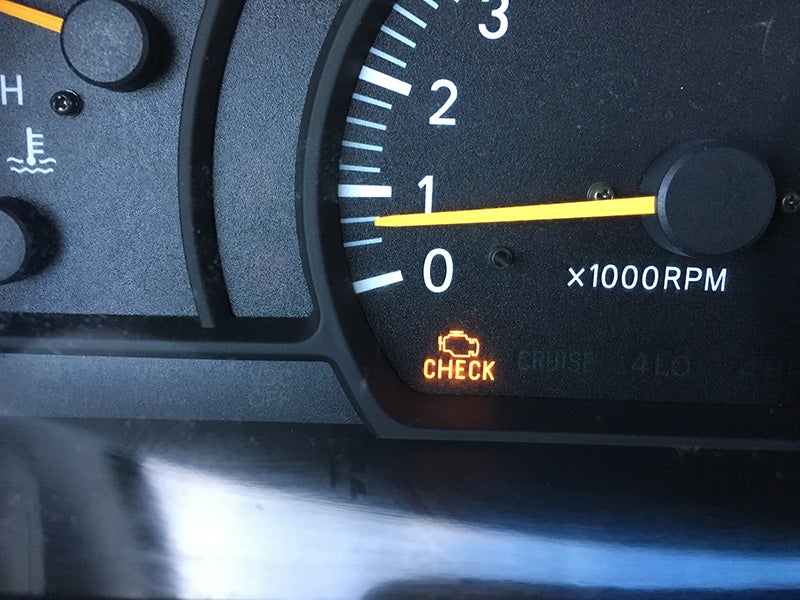
Check Engine Light On? Here's What to Do Next The check engine light is impressively good at delivering almost no information while simultaneously making you worry about everything. One amber engine-shaped icon could point to something as simple as a loose gas cap or a problem requiring immediate attention. The trick isn't trying to diagnose your Chevrolet from the driver's seat; it's knowing when you can continue driving, when to schedule check engine diagnostics, and when shutting the vehicle down is the smarter response. For drivers around Southaven, MS, here's what to look for when that little engine suddenly appears. Solid and Flashing Lights Mean Very Different Things The check engine light typically appears as an amber or yellow engine-shaped icon in the instrument cluster, sometimes accompanied by "Check Engine" or "Service Engine Soon." More important is what the light is doing. A steadily illuminated light indicates that the vehicle's onboard diagnostic system has detected a fault, but it doesn't identify the failed component by itself. A flashing light is considerably more urgent and can indicate a severe engine misfire capable of damaging the catalytic converter. If it's flashing, reduce speed and engine load, avoid hard acceleration, and arrange Chevrolet service promptly instead of continuing the trip as if the dashboard hasn't just started blinking at you. A Solid Light Doesn't Automatically Mean Disaster If the light stays solid and your vehicle otherwise runs normally, check that the fuel cap is properly tightened if your Chevrolet uses one. A loose cap can cause an evaporative-emissions fault, although plenty of other problems involving sensors, ignition components, emissions equipment, or engine-management systems can illuminate the same warning. The light may take several drive cycles to clear after a minor problem is corrected. If it remains illuminated, schedule a Chevrolet diagnostic service so a technician can retrieve the stored diagnostic trouble codes and investigate the affected system. A code provides a starting point for diagnosis; it doesn't automatically mean the component named in the code needs replacement. The Car's Behavior Matters as Much as the Light A steady check engine light accompanied by normal engine temperature and no noticeable change in performance generally doesn't require an immediate tow, but other symptoms change the equation quickly. If the vehicle starts stalling, shaking, losing substantial power, overheating, producing smoke, or giving off a burning odor, find a safe place to stop. The same applies if an oil-pressure warning appears alongside the check engine light. Continuing to drive a vehicle with signs of overheating or lubrication trouble can transform an existing problem into a much larger engine repair, so this is one occasion when trying to squeeze out another 10 miles may become spectacularly expensive. So, When Do You Call the Tow Truck? If the check engine light is solid, the Chevrolet feels normal, and there are no additional warning signs, you can generally drive carefully to a Chevrolet service center for inspection. Towing is the safer choice when the light is flashing and the engine is running poorly, the temperature gauge moves into the red, oil-pressure warnings appear, the vehicle repeatedly stalls or loses power, or you see smoke or smell something burning. If you're uncertain about the vehicle's condition, contact the service department or roadside assistance before driving farther. Paying for a tow isn't particularly exciting, but neither is paying for an engine because you decided the temperature gauge was probably being dramatic. Diagnostic Codes Are the Beginning, Not the Answer Modern vehicles store diagnostic trouble codes when the onboard computer detects certain faults, and professional vehicle diagnostics can retrieve those codes to help technicians determine where to begin testing. That's different from simply connecting a scanner and replacing whatever part appears on the screen. A qualified technician may need to inspect wiring, sensors, ignition components, emissions systems, or other related equipment before determining the cause. Keeping up with routine Chevrolet maintenance can also help technicians spot developing problems, while current service specials may provide opportunities to handle maintenance or eligible repairs at the same visit. Get the Warning Light Checked in Southaven The check engine light isn't there to tell you exactly what's broken. It's there to tell you the vehicle has detected something worth investigating. Southaven, MS, drivers can visit the Certified Service team at Jimmy Gray Chevrolet for check engine light diagnostics, scheduled maintenance, and Chevrolet repair needs. If the light has appeared and stayed on, schedule a service appointment online so a technician can retrieve the stored codes, inspect the vehicle, and determine what caused the warning before a smaller problem has the opportunity to become a larger one.

Tire FAQ: Everything You Need to Know About Your Car's Tires 

Tire FAQ: Everything You Need to Know About Your Car's Tires

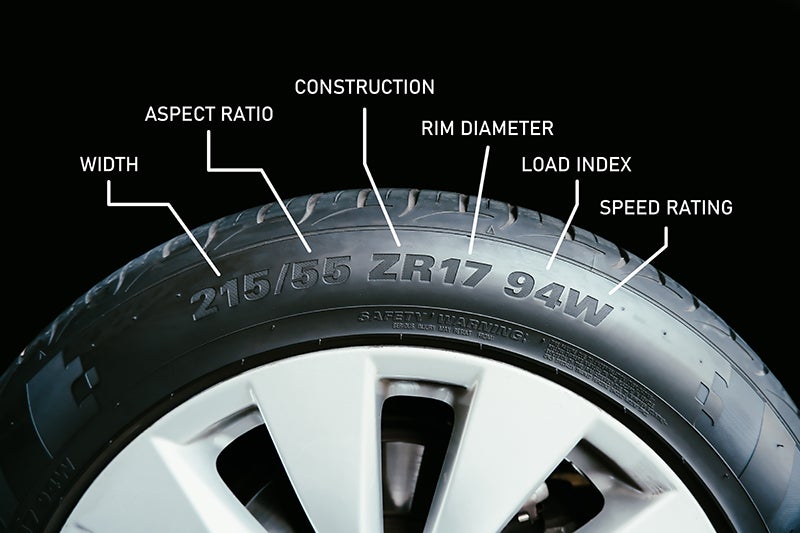
Tires occupy an unusual place in vehicle ownership. Drivers rely on them every day, trust them with every turn, stop, and lane change, and then spend remarkably little time thinking about them. In fairness, they are not particularly attention-seeking components. They simply get on with the job until something goes wrong. Understanding a few tire basics can help prevent surprises, extend tire life, and make future service recommendations a lot easier to understand. What Do All Those Numbers on a Tire Mean? If you've ever looked at a tire sidewall and encountered something like P215/65R16, you've seen what appears to be a secret code developed by people who enjoy making simple things complicated. Fortunately, it's actually quite logical. The "P" indicates a passenger vehicle tire. The three-digit number that follows represents the tire's width in millimeters. The number after the slash refers to the aspect ratio, which compares the tire's sidewall height to its width. The "R" signifies radial construction, and the final number indicates the wheel diameter in inches. It may not be thrilling information, but it becomes very useful when it's time to replace your tires. The correct tire size can always be found in your owner's manual or on the information sticker located inside the driver's door opening. Why Tire Rotations Matter Tires rarely wear evenly. Front tires often carry additional responsibilities, particularly on front-wheel-drive vehicles, where they handle both steering and power delivery. Rear tires typically live a less demanding existence. A tire rotation helps balance those wear patterns by moving the tires to different positions on the vehicle at regular intervals. Most manufacturers recommend rotations every 5,000 to 7,500 miles, though the exact schedule varies by vehicle. One practical approach is to rotate the tires during routine oil changes. It is easier to remember when two maintenance tasks happen together, which is helpful because remembering maintenance schedules is not generally humanity's strongest skill. How Do You Know When It's Time for New Tires? Tires wear gradually, which makes replacement decisions easy to postpone. The classic penny test remains one of the simplest ways to check tread depth. Insert a penny into the tread groove with Lincoln's head facing downward. If the top of his head remains visible, the tread has worn to the point where replacement should be considered. Age matters as well. Even if a tire appears to have adequate tread, rubber naturally degrades over time. Many manufacturers recommend replacing tires after approximately six years, regardless of mileage. A tire can look healthy while approaching retirement still. Warning Signs Worth Paying Attention To Most tires provide clues before a failure occurs. Bulges in the sidewall often indicate internal damage and should be addressed immediately. Cracks in the rubber may suggest age-related deterioration or prolonged exposure to harsh environmental conditions. Uneven tread wear can point to alignment or suspension concerns. Persistent vibration at highway speeds may indicate tire damage, imbalance, or other mechanical issues. Meanwhile, a tire that repeatedly loses air is generally trying to tell you something. Ignoring it rarely improves the situation. What Should You Do If You Get a Flat Tire? First, avoid panic. If a tire fails while you're driving, maintain a firm grip on the steering wheel and ease off the accelerator gradually. Abrupt braking can make the situation more difficult to control. Allow the vehicle to slow naturally before moving to a safe location away from traffic. Activate your hazard lights and assess the situation. If you have the proper equipment and feel comfortable changing the tire, a spare can help get you back on the road. If not, roadside assistance remains a perfectly sensible option. Many modern vehicles also include connected services that can help drivers quickly arrange assistance when needed. A Little Attention Goes a Long Way Tires may not receive much attention during everyday driving, but they influence nearly every aspect of vehicle performance, from ride quality and fuel efficiency to braking and handling. Drivers throughout Southaven, MS can rely on experienced service technicians at Jimmy Gray Chevrolet for tire inspections, rotations, balancing, alignments, and replacements. If you have questions about tire wear or simply want peace of mind before your next road trip, a professional inspection is always time well spent.

Oil Light On? Here's What Every Driver Should Know 

Oil Light On? Here's What Every Driver Should Know

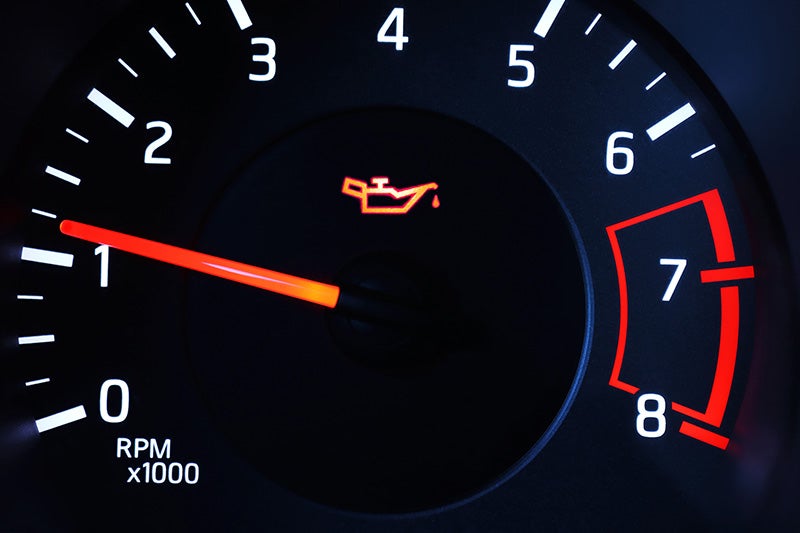
If your oil light on your dashboard suddenly comes on, it's normal to feel anxious. That light is your vehicle's way of telling you that something needs attention - and how you respond in the next few minutes can make the difference between protecting your engine and a costly repair. No matter if you drive a Chevy Silverado, Equinox, or any other vehicle in and around Southaven, Miss., understanding what to do next is important. What to Do the Moment Your Oil Light Comes On The first thing to do is pull over safely as soon as you can. Turn off the engine and give the vehicle a few minutes to settle before opening the hood. Then check your oil level using the dipstick. If the oil is low, adding the correct type of oil may be enough to address the issue temporarily. However, this is only a short-term fix - you should still schedule a service appointment as soon as possible. more Can You Keep Driving, or Should You Stop Immediately? This is a common question, and the honest answer is: it depends on what the light means. If the oil pressure warning light comes on - typically shaped like an oil can - you should stop driving right away. Low oil pressure can cause serious engine damage within minutes. If the light is a reminder about an oil change being due, you have a little more time, but you should still address it soon. It's usually better to err on the side of caution and get the vehicle to a service center as soon as possible. What Problems Can Cause the Oil Light to Come On Another common question is what actually triggers the oil light in the first place. There are several possible causes. Low oil level is the simplest reason. Oil naturally burns off over time, and if you have not had an oil change recently, the level may have dropped. An oil leak is another culprit - you might notice dark spots on the ground where you park. A failing oil pump can also trigger the light, and this is a more serious issue that needs immediate professional attention. Finally, a dirty or clogged oil filter can restrict oil flow enough to cause the warning light to activate. Each of these issues requires a different response, which is why getting a proper inspection is important. How Often Should You Check Your Oil Even if your oil light is not on, it is good practice to check your oil level every month or so. Staying ahead of oil-related issues is far easier than dealing with the consequences of a damaged engine. Most vehicles need an oil change every 5,000 to 7,500 miles, though your owner's manual will have the specific recommendation for your model. Visit Us for Certified Chevy Service in Southaven, MS If the oil light on the dashboard has you concerned, do not wait to get it looked at. The Certified Service team at Jimmy Gray Chevrolet is ready to help diagnose the issue and get you back on the road. From oil changes to pressure checks and filter replacements, professional service makes all the difference when it comes to protecting your engine for the long haul. Schedule a service appointment online today.