






Blog / Oil

Oil Light On? Here's What Every Driver Should Know

Oil Light On? Here's What Every Driver Should Know 

If your oil light on your dashboard suddenly comes on, it's normal to feel anxious. That light is your vehicle's way of telling you that something needs attention - and how you respond in the next few minutes can make the difference between protecting your engine and a costly repair. No matter if you drive a Chevy Silverado, Equinox, or any other vehicle in and around Southaven, Miss., understanding what to do next is important. 

What to Do the Moment Your Oil Light Comes On 

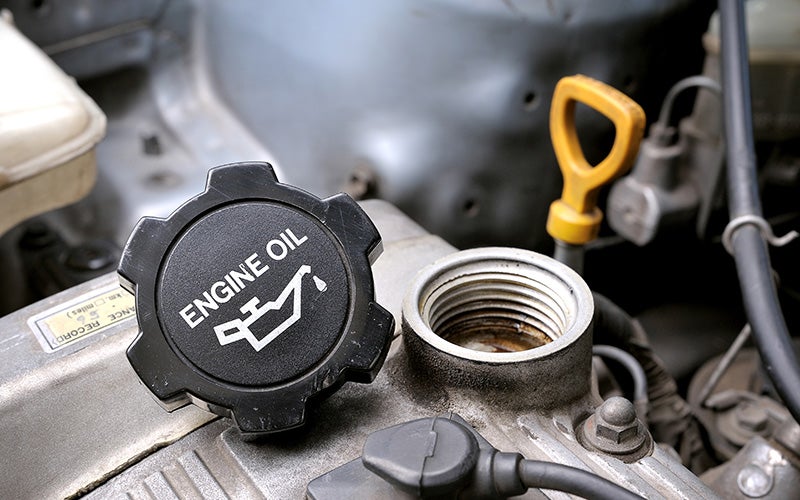
The first thing to do is pull over safely as soon as you can. Turn off the engine and give the vehicle a few minutes to settle before opening the hood. Then check your oil level using the dipstick. If the oil is low, adding the correct type of oil may be enough to address the issue temporarily. However, this is only a short-term fix - you should still schedule a service appointment as soon as possible. 

Can You Keep Driving, or Should You Stop Immediately? 

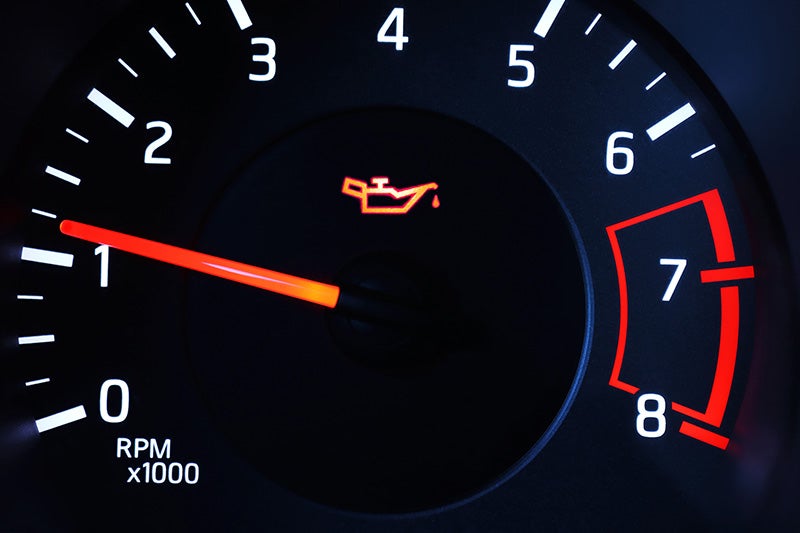
This is a common question, and the honest answer is: it depends on what the light means. If the oil pressure warning light comes on - typically shaped like an oil can - you should stop driving right away. Low oil pressure can cause serious engine damage within minutes. If the light is a reminder about an oil change being due, you have a little more time, but you should still address it soon. It's usually better to err on the side of caution and get the vehicle to a service center as soon as possible. 

What Problems Can Cause the Oil Light to Come On 

Another common question is what actually triggers the oil light in the first place. There are several possible causes. 

  • Low oil level is the simplest reason. Oil naturally burns off over time, and if you have not had an oil change recently, the level may have dropped. 
  • An oil leak is another culprit - you might notice dark spots on the ground where you park. 
  • A failing oil pump can also trigger the light, and this is a more serious issue that needs immediate professional attention. 
  • Finally, a dirty or clogged oil filter can restrict oil flow enough to cause the warning light to activate. 

Each of these issues requires a different response, which is why getting a proper inspection is important. 

How Often Should You Check Your Oil 

Even if your oil light is not on, it is good practice to check your oil level every month or so. Staying ahead of oil-related issues is far easier than dealing with the consequences of a damaged engine. Most vehicles need an oil change every 5,000 to 7,500 miles, though your owner's manual will have the specific recommendation for your model. 

Visit Us for Certified Chevy Service in Southaven, MS 

If the oil light on the dashboard has you concerned, do not wait to get it looked at. The Certified Service team at Jimmy Gray Chevrolet is ready to help diagnose the issue and get you back on the road. From oil changes to pressure checks and filter replacements, professional service makes all the difference when it comes to protecting your engine for the long haul. Schedule a service appointment online today.
Posted in:

Related Posts

Oil Changes FAQ: Everything Chevy Drivers Need to Know

Oil Changes FAQ: Everything Chevy Drivers Need to Know

Oil changes are a standard service for vehicle maintenance. Many drivers are not aware of the specific functions of oil or the required service intervals. Jimmy Gray Chevrolet in Southaven, MS, provides this information to assist owners in maintaining their vehicles. Why Are Oil Changes Necessary Skipping an oil change can lead to engine damage. Engine oil ensures that internal parts operate without friction. When oil breaks down or becomes contaminated, it fails to perform correctly. Regular oil changes protect internal engine parts and help maintain efficiency. more What Does Oil Actually Do in a Vehicle Engine oil performs several functions. It lubricates moving metal parts to reduce friction. This process prevents parts from overheating. Oil also carries heat away from the engine. It traps contaminants like dirt and metal particles, suspending them until they are removed during an oil change. Oil loses effectiveness over time, which necessitates regular replacement. How Often Should You Schedule Oil Changes Service intervals depend on the oil type and driving habits. Conventional oil typically requires a change every 3,000 to 5,000 miles. Synthetic oil intervals often range from 7,500 to 10,000 miles, based on the vehicle model and driving conditions. The owner manual provides specific recommendations. Driving in extreme conditions, such as high heat or heavy towing, can reduce the interval. Oil Light Indicators If the oil warning light illuminates on the dashboard, this indicates a potential drop in oil pressure that could harm the engine. Operators should pull over and turn off the engine. Checking the oil level with the dipstick is the next step. If the level is low, do not operate the vehicle. A drop in oil pressure can also indicate a leak or another issue that requires professional service. Types of Engine Oil There are several types of engine oil. Conventional oil is used for various older vehicles. Synthetic oil is engineered for better performance across a wide range of temperatures. Full synthetic oil provides high levels of protection, while synthetic blend oils offer a middle ground. For drivers in Southaven, MS, synthetic oil is often used to protect engines during periods of high heat. Schedule Service at Jimmy Gray Chevrolet Regular oil changes contribute to vehicle longevity. The service team at Jimmy Gray Chevrolet in Southaven, MS, performs conventional and synthetic oil changes. Owners may view service details or schedule an appointment at jimmygraychevy.com. Professional maintenance is available to assist with vehicle requirements.

Tire FAQ: Everything You Need to Know About Your Car's Tires 

Tire FAQ: Everything You Need to Know About Your Car's Tires

Tires occupy an unusual place in vehicle ownership. Drivers rely on them every day, trust them with every turn, stop, and lane change, and then spend remarkably little time thinking about them. In fairness, they are not particularly attention-seeking components. They simply get on with the job until something goes wrong. Understanding a few tire basics can help prevent surprises, extend tire life, and make future service recommendations a lot easier to understand. What Do All Those Numbers on a Tire Mean? If you've ever looked at a tire sidewall and encountered something like P215/65R16, you've seen what appears to be a secret code developed by people who enjoy making simple things complicated. Fortunately, it's actually quite logical. The "P" indicates a passenger vehicle tire. The three-digit number that follows represents the tire's width in millimeters. The number after the slash refers to the aspect ratio, which compares the tire's sidewall height to its width. The "R" signifies radial construction, and the final number indicates the wheel diameter in inches. It may not be thrilling information, but it becomes very useful when it's time to replace your tires. The correct tire size can always be found in your owner's manual or on the information sticker located inside the driver's door opening. Why Tire Rotations Matter Tires rarely wear evenly. Front tires often carry additional responsibilities, particularly on front-wheel-drive vehicles, where they handle both steering and power delivery. Rear tires typically live a less demanding existence. A tire rotation helps balance those wear patterns by moving the tires to different positions on the vehicle at regular intervals. Most manufacturers recommend rotations every 5,000 to 7,500 miles, though the exact schedule varies by vehicle. One practical approach is to rotate the tires during routine oil changes. It is easier to remember when two maintenance tasks happen together, which is helpful because remembering maintenance schedules is not generally humanity's strongest skill. How Do You Know When It's Time for New Tires? Tires wear gradually, which makes replacement decisions easy to postpone. The classic penny test remains one of the simplest ways to check tread depth. Insert a penny into the tread groove with Lincoln's head facing downward. If the top of his head remains visible, the tread has worn to the point where replacement should be considered. Age matters as well. Even if a tire appears to have adequate tread, rubber naturally degrades over time. Many manufacturers recommend replacing tires after approximately six years, regardless of mileage. A tire can look healthy while approaching retirement still. Warning Signs Worth Paying Attention To Most tires provide clues before a failure occurs. Bulges in the sidewall often indicate internal damage and should be addressed immediately. Cracks in the rubber may suggest age-related deterioration or prolonged exposure to harsh environmental conditions. Uneven tread wear can point to alignment or suspension concerns. Persistent vibration at highway speeds may indicate tire damage, imbalance, or other mechanical issues. Meanwhile, a tire that repeatedly loses air is generally trying to tell you something. Ignoring it rarely improves the situation. What Should You Do If You Get a Flat Tire? First, avoid panic. If a tire fails while you're driving, maintain a firm grip on the steering wheel and ease off the accelerator gradually. Abrupt braking can make the situation more difficult to control. Allow the vehicle to slow naturally before moving to a safe location away from traffic. Activate your hazard lights and assess the situation. If you have the proper equipment and feel comfortable changing the tire, a spare can help get you back on the road. If not, roadside assistance remains a perfectly sensible option. Many modern vehicles also include connected services that can help drivers quickly arrange assistance when needed. A Little Attention Goes a Long Way Tires may not receive much attention during everyday driving, but they influence nearly every aspect of vehicle performance, from ride quality and fuel efficiency to braking and handling. Drivers throughout Southaven, MS can rely on experienced service technicians at Jimmy Gray Chevrolet for tire inspections, rotations, balancing, alignments, and replacements. If you have questions about tire wear or simply want peace of mind before your next road trip, a professional inspection is always time well spent.

Black Chevrolet Silverado pick-up truck towing a silver horse trailer on a highway at sunset.

Shop the New 2025 Chevrolet Silverado Truck Lineup in Southaven, MS

Jimmy Gray Chevrolet in Southaven, MS, is your premier destination to explore the impressive new 2025 Chevrolet Silverado truck lineup. With a range of capable models available on our lot, including the versatile Silverado 1500, the brawny Silverado 2500 HD, and the mighty Silverado 3500 HD, we're confident you'll find the ideal truck for your work and play needs. The Versatile 2025 Chevy Silverado 1500 For Southaven MS truck shoppers seeking a well-rounded full-size pickup, the 2025 Chevy Silverado 1500 delivers. This capable truck offers a range of potent engine options, including a muscular V8 and an efficient turbocharged diesel. With a maximum towing capacity of over 12,000 pounds when properly equipped, the Silverado 1500 is ready to tackle your toughest jobs. The spacious, well-crafted interior provides comfort for long days on the worksite or weekend adventures. Memphis, TN, area drivers will appreciate the Chevy Silverado 1500's advanced technology features, including an available Head-Up Display, wireless Apple CarPlay and Android Auto integration, and an array of driver assistance systems. Whether you're navigating congested city streets or hitching up a trailer, this truck inspires confidence behind the wheel. Step Up to the 2025 Chevy Silverado 2500 HD When your towing and hauling needs exceed the limits of a light-duty pickup, the formidable 2025 Chevrolet Silverado 2500 HD is ready to get to work. Olive Branch MS truck owners can choose between two compelling powertrains: a hearty 6.6-liter V8 gas engine or the Duramax 6.6-liter Turbodiesel V8, which cranks out a massive 910 pound-feet of torque. Paired with a reinforced chassis, heavy-duty Allison transmission, and stout drive axles, the Silverado 2500 HD boasts a jaw-dropping maximum towing capacity of over 18,000 pounds. Innovative trailering tech, such as transparent trailer view cameras and trailer tire pressure and temperature monitoring, provides added peace of mind when towing hefty loads around Collierville, TN. Discover Unrivaled Strength in the 2025 Chevy Silverado 3500 HD For Bartlett TN businesses with the most demanding trailering needs, only the herculean 2025 Chevrolet Silverado 3500 HD will do. This heavy-duty workhorse takes towing and hauling prowess to new heights, offering an astonishing maximum gooseneck towing capacity of over 36,000 pounds when properly equipped. The Chevy Silverado 3500 HD truck's beefy Duramax 6.6-liter Turbodiesel V8 engine develops an earth-moving 445 horsepower and 910 pound-feet of torque. The standard 6.6-liter gas V8 is no slouch, either. With a durable boxed frame, integrated bed side steps, and an available power-up/-down tailgate, this truck is engineered to handle the most challenging jobs with ease. Visit Jimmy Gray Chevrolet to learn more about your favorite Chevy Silverado truck. Shop from the lineup online, where you can conveniently view inventory and schedule a test drive through Southaven. Remember to ask about special pricing, incentives, and lease deals..