





Blog / Service

Car Battery Service: What You Need to Know

Car Battery Service: What You Need to Know

Car Battery Service: What You Need to Know 

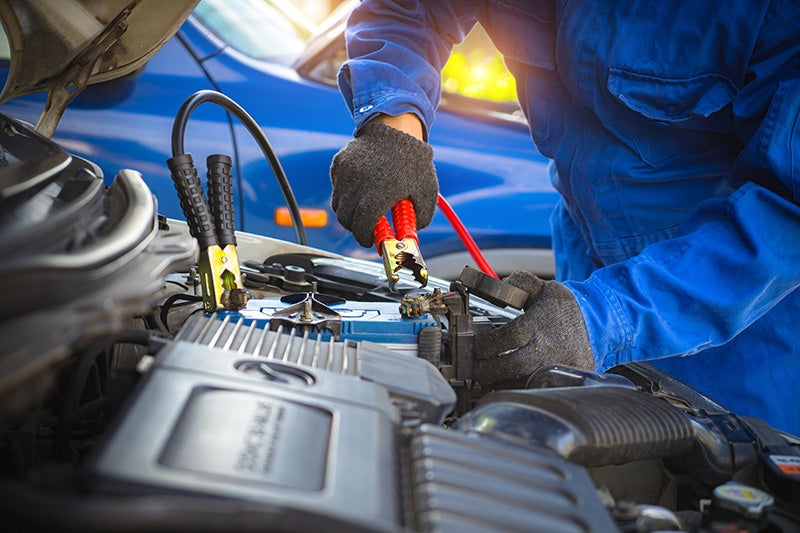
Your car battery is one of those things you don’t really think of—until it stops working. And without it, your car simply won’t start or function. Battery service is one of the most overlooked aspects of routine vehicle maintenance, but it’s also one of the most important. For Southaven, Mississippi drivers, staying on top of your car battery service doesn’t need to be time-consuming or complicated—just consistent.  


What Does a Car Battery Do? 

It helps to know exactly what a battery is. Your car battery is a rechargeable lead-acid power source that stores electrical energy and delivers it to your vehicle's systems. Most modern vehicles use a 12V battery made up of 6 cells, each producing about 2V.  

The battery serves 3 main functions. First, it provides the burst of power needed to crank the engine and get it running. Second, it powers all electrical components when the engine is off, including interior lights, the clock, and stored settings. Third, it acts as a voltage stabilizer for the entire electrical system while the engine runs, protecting sensitive electronics from power fluctuations. 


 How Does a Car Battery Work? 


A car battery generates electricity through a chemical reaction between lead plates and a sulfuric acid solution called electrolyte. When you turn the key or press the start button, the battery converts that stored chemical energy into electrical current and sends it to the starter motor. The alternator then takes over once the engine is running, recharging the battery and powering the vehicle's electrical load. This cycle repeats every time you drive. 


 How to Know If Your Battery Needs Service or Replacement 


This is one of the most common FAQ topics our service team hears, and for good reason - a failing battery can leave you stranded without much warning. Here are the most reliable signs to watch for: 

  • A slow or labored engine crank when starting  

  • If the engine turns over sluggishly before firing, the battery may not be delivering enough current.  

  • Dimming headlights, flickering interior lights, or electronics that reset unexpectedly 

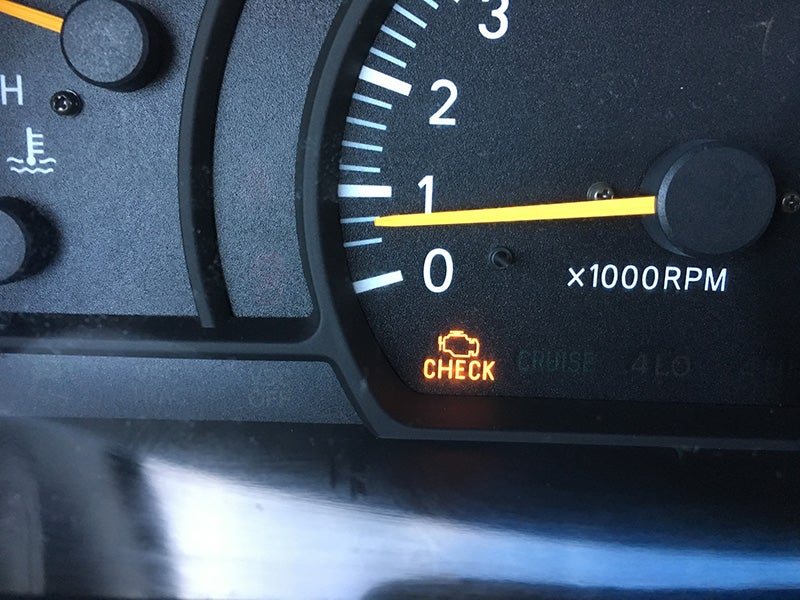
  • A battery warning light on your dashboard  

Don’t ignore any of these warning signs—it rarely ends well. 

Another FAQ worth addressing is battery age. Most car batteries last between 3 and 5 years. If yours is approaching that range, having it tested during a routine visit is a smart move even if you have not noticed any symptoms. Extreme heat and cold, like the temperature swings common in the Southaven, Mississippi area, can accelerate battery wear significantly. 


Corrosion on the battery terminals - a white or bluish powdery buildup around the cable connections - can also interfere with electrical flow and mimic the symptoms of a failing battery. A technician can clean the terminals and test the battery's cold cranking amps and reserve capacity to determine whether a cleaning or a full replacement is the right call. 


 Visit Jimmy Gray Chevrolet for Battery Service 


If your vehicle is showing any of these warning signs, do not wait until you are stuck in a parking lot. The service team at Jimmy Gray Chevrolet in Southaven, MS is equipped to test, service, and replace your battery quickly and correctly. Schedule your battery service appointment today. 


Posted in:

Related Posts

Tire Service: What Every Driver Should Know

Tire Service: What Every Driver Should Know

Tire Service: What Every Driver Should Know Your tires are the only part of your vehicle that touches the road, which makes keeping them in good shape one of the most important things you can do as a driver. No matter if you are cruising through Southaven, MS or heading out on the highway, understanding your tire service needs can help you stay safe and avoid costly surprises down the road. How to Assess a Tire Checking your tires does not require special tools or mechanical know-how. Start by visually inspecting each tire for cracks, bulges, or uneven wear patterns. A simple way to check tread depth is the penny test - insert a penny into the tread groove with Lincoln's head pointing down. If you can see the top of his head, your tread is too low and it is time to replace the tire. Also check tire pressure regularly using an inexpensive gauge. Tires that are over- or under-inflated wear unevenly and can affect handling. When learning how to inspect tires, do not forget the sidewalls - look for cuts, bubbles, or scuffing that might indicate damage. What Can Go Wrong With Tires Tires face a lot of stress from daily driving, and several issues can develop over time. Common problems include punctures from nails or road debris, slow leaks that cause gradual pressure loss, and sidewall damage from curb strikes. Uneven tread wear is another frequent issue, often caused by improper inflation, misaligned wheels, or worn suspension components. Blowouts are among the most dangerous tire failures and can happen without warning, especially when tires are old, underinflated, or overloaded. Knowing how to inspect tires regularly is one of the best ways to catch these problems before they become serious. Average Life of a Tire Most tires are designed to last between 25,000 and 50,000 miles, though this varies based on the type of tire, driving habits, road conditions, and how well they are maintained. Even if your tires still have adequate tread depth, manufacturers generally recommend replacing them after six years, regardless of mileage. After 10 years, replacement is strongly advised even if the tires look fine on the surface. Heat, UV exposure, and age cause the rubber compound to break down over time - a process called dry rot - which can make tires prone to cracking and failure. How Often to Get Tire Service As a general rule, you should have your tires inspected at least once a year. However, if you drive frequently or put a lot of miles on your vehicle, more frequent checks make sense. Tire pressure should be checked monthly, as tires naturally lose a small amount of pressure over time. Rotation is typically recommended every 5,000 to 7,500 miles. Many drivers schedule tire service alongside routine oil changes to keep things simple and consistent. What Types of Tire Service to Ask For When you bring your vehicle in for tire service, there are several services you should ask about. Tire rotation moves tires to different positions on the vehicle to promote even wear. Wheel balancing corrects uneven weight distribution that can cause vibration or pulling. Wheel alignment ensures your tires are pointing in the right direction, which reduces wear and keeps your vehicle driving straight. If a tire has a nail or puncture, ask about a plug or patch repair. And when tread depth is low or damage is too significant to repair, a full tire replacement is the right call. Visit Jimmy Gray Chevrolet for Your Tire Service Needs Staying on top of tire service doesn’t have to be complicated. Regular inspections, proper inflation, and routine maintenance go a long way toward keeping you safe and extending the life of your tires. Drivers in Southaven, MS, can schedule an appointment online and get expert care from a team you can trust.

Check Engine Light On? Here's What to Do Next

Check Engine Light On? Here's What to Do 

Check Engine Light On? Here's What to Do Next The check engine light is impressively good at delivering almost no information while simultaneously making you worry about everything. One amber engine-shaped icon could point to something as simple as a loose gas cap or a problem requiring immediate attention. The trick isn't trying to diagnose your Chevrolet from the driver's seat; it's knowing when you can continue driving, when to schedule check engine diagnostics, and when shutting the vehicle down is the smarter response. For drivers around Southaven, MS, here's what to look for when that little engine suddenly appears. Solid and Flashing Lights Mean Very Different Things The check engine light typically appears as an amber or yellow engine-shaped icon in the instrument cluster, sometimes accompanied by "Check Engine" or "Service Engine Soon." More important is what the light is doing. A steadily illuminated light indicates that the vehicle's onboard diagnostic system has detected a fault, but it doesn't identify the failed component by itself. A flashing light is considerably more urgent and can indicate a severe engine misfire capable of damaging the catalytic converter. If it's flashing, reduce speed and engine load, avoid hard acceleration, and arrange Chevrolet service promptly instead of continuing the trip as if the dashboard hasn't just started blinking at you. A Solid Light Doesn't Automatically Mean Disaster If the light stays solid and your vehicle otherwise runs normally, check that the fuel cap is properly tightened if your Chevrolet uses one. A loose cap can cause an evaporative-emissions fault, although plenty of other problems involving sensors, ignition components, emissions equipment, or engine-management systems can illuminate the same warning. The light may take several drive cycles to clear after a minor problem is corrected. If it remains illuminated, schedule a Chevrolet diagnostic service so a technician can retrieve the stored diagnostic trouble codes and investigate the affected system. A code provides a starting point for diagnosis; it doesn't automatically mean the component named in the code needs replacement. The Car's Behavior Matters as Much as the Light A steady check engine light accompanied by normal engine temperature and no noticeable change in performance generally doesn't require an immediate tow, but other symptoms change the equation quickly. If the vehicle starts stalling, shaking, losing substantial power, overheating, producing smoke, or giving off a burning odor, find a safe place to stop. The same applies if an oil-pressure warning appears alongside the check engine light. Continuing to drive a vehicle with signs of overheating or lubrication trouble can transform an existing problem into a much larger engine repair, so this is one occasion when trying to squeeze out another 10 miles may become spectacularly expensive. So, When Do You Call the Tow Truck? If the check engine light is solid, the Chevrolet feels normal, and there are no additional warning signs, you can generally drive carefully to a Chevrolet service center for inspection. Towing is the safer choice when the light is flashing and the engine is running poorly, the temperature gauge moves into the red, oil-pressure warnings appear, the vehicle repeatedly stalls or loses power, or you see smoke or smell something burning. If you're uncertain about the vehicle's condition, contact the service department or roadside assistance before driving farther. Paying for a tow isn't particularly exciting, but neither is paying for an engine because you decided the temperature gauge was probably being dramatic. Diagnostic Codes Are the Beginning, Not the Answer Modern vehicles store diagnostic trouble codes when the onboard computer detects certain faults, and professional vehicle diagnostics can retrieve those codes to help technicians determine where to begin testing. That's different from simply connecting a scanner and replacing whatever part appears on the screen. A qualified technician may need to inspect wiring, sensors, ignition components, emissions systems, or other related equipment before determining the cause. Keeping up with routine Chevrolet maintenance can also help technicians spot developing problems, while current service specials may provide opportunities to handle maintenance or eligible repairs at the same visit. Get the Warning Light Checked in Southaven The check engine light isn't there to tell you exactly what's broken. It's there to tell you the vehicle has detected something worth investigating. Southaven, MS, drivers can visit the Certified Service team at Jimmy Gray Chevrolet for check engine light diagnostics, scheduled maintenance, and Chevrolet repair needs. If the light has appeared and stayed on, schedule a service appointment online so a technician can retrieve the stored codes, inspect the vehicle, and determine what caused the warning before a smaller problem has the opportunity to become a larger one.

Winter Maintenance: Cold Weather Changes the Operating Conditions

Winter Maintenance Tips for Your Chevy

Winter Maintenance: Cold Weather Changes the Operating Conditions A Chevrolet doesn't suddenly become a different machine because the temperature drops, but the conditions in which its components operate certainly change. Southaven, MS, doesn't experience the prolonged winter extremes found farther north, but a sharp temperature drop is capable of exposing a marginal battery or neglected maintenance item. Preparing for winter is therefore less about the season itself and more about making sure each system has adequate operating margin. A Battery Has Less in Reserve When It's Cold Starting an engine requires a considerable burst of electrical energy, and lower temperatures make that task more demanding for the battery. A unit that performed adequately through summer may begin cranking the engine more slowly once conditions change. Battery testing before winter can provide an indication of its condition before starting performance deteriorates further. A Chevrolet Certified Service technician can also inspect related starting and charging components if symptoms suggest the problem extends beyond the battery. Adding battery service to a seasonal Multi-Point Vehicle Inspection is a logical first step because without reliable electrical power, most of the other systems become rather academic. Coolant Is Managing Two Opposing Problems Engine coolant has an interesting job. It must prevent freezing when the vehicle is sitting in sufficiently low temperatures, then control the considerable heat produced once the engine is running. Correct coolant level and condition are therefore important throughout the year. A cooling-system inspection can check the coolant and related components before winter, while coolant service should follow the requirements specified for the Chevrolet. The system works by circulating fluid through an engine containing many precisely controlled temperatures, so ignoring leaks or poor coolant condition isn't a particularly sensible mechanical experiment. Tire Pressure Changes Even When Nothing Is Wrong A drop in ambient temperature can reduce tire pressure without a puncture or other fault being present. That doesn't make the resulting pressure loss irrelevant. Inflation affects how the tire carries its load and contacts the road, while tread condition and uneven wear can reveal additional concerns. Checking pressure and inspecting the tires before winter provides a useful baseline for colder months. Tire service, tire rotations, and alignment inspections can also be combined with routine Chevrolet maintenance when required. Four small contact patches are responsible for transmitting every steering, braking, and acceleration input to the road; their condition deserves appropriate attention. Visibility Equipment Is Simple Until It Stops Working Properly Wiper blades, washer fluid, heaters, and defrosters contain none of the mechanical fascination of an engine, but poor visibility can make an otherwise healthy vehicle difficult to use safely. Inspect wiper blades for deterioration and confirm the washer system operates correctly. The heating and defrosting systems should also clear the glass effectively before colder mornings arrive. If they don't, service diagnostics can identify the cause rather than leaving the problem until the first morning when you need the system immediately. Preventive Maintenance Preserves the Engineering Margin Seasonal maintenance is fundamentally about finding components approaching their limits before harsher operating conditions expose them. A marginal battery becomes a no-start. A small cooling-system concern can become a larger repair. Worn tires or ineffective wipers become more significant when weather deteriorates. Reviewing the Chevrolet maintenance schedule, handling an oil change that's already due, and completing a Multi-Point Vehicle Inspection can address several of these concerns during one service visit rather than waiting for separate symptoms to develop. Prepare the Systems, Not Just the Vehicle Jimmy Gray Chevrolet can help Southaven, MS, drivers prepare for colder conditions with battery testing, cooling-system inspections, tire service, oil changes, Multi-Point Vehicle Inspections, and other Chevrolet maintenance. Owners can also review current service specials and address scheduled maintenance during the same visit. Winter preparation isn't complicated engineering; it's simply giving the engineering already in your Chevrolet the conditions it needs to work properly. Schedule your winter maintenance appointment online with us here today to get in front of the weather that’s coming.